
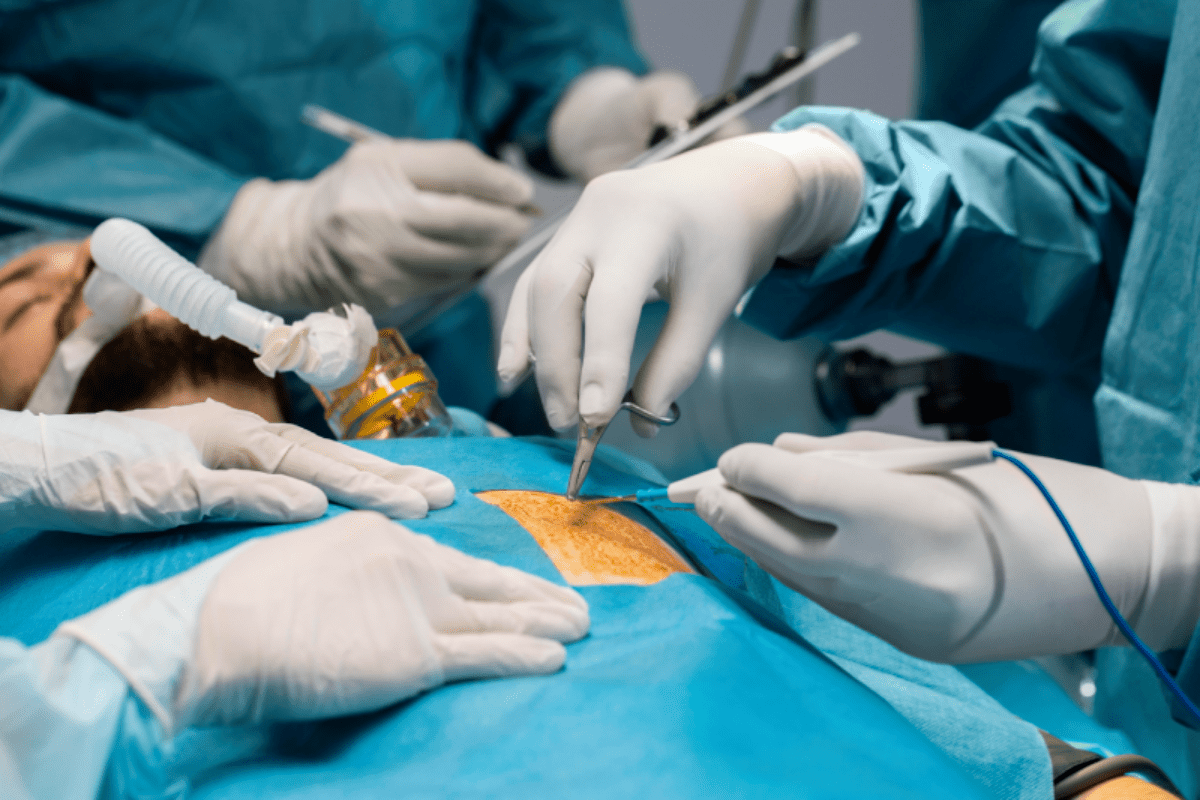

Involves making a larger incision to access and repair the hernia. The surgeon repositions the protruding tissue and strengthens the abdominal wall, often using a mesh implant to support the repair. This method may be recommended for larger hernias or when laparoscopic surgery is not suitable.

Uses small incisions and specialized instruments, including a camera (laparoscope), to repair the hernia. This minimally invasive technique typically results in less pain, quicker recovery, and minimal scarring compared to open surgery. It is often used for smaller hernias or when patients prefer a less invasive approach.
Preparation for hernia surgery typically involves a pre-operative assessment to ensure overall health and suitability for the procedure. Patients may need to adjust medications and avoid eating or drinking before the surgery.
Post-surgery, recovery involves following the surgeon’s instructions, which may include:
To allow the surgical site to heal.
Using prescribed or over-the-counter pain relief as needed
To avoid strain on the repaired area
To monitor the healing process and ensure there are no complications.
Support from healthcare professionals, support groups, and cancer research organizations is vital for patients and families dealing with colon cancer. Staying informed about the latest research and treatment options can provide hope and improve quality of life. Engaging with community resources and support networks can also offer emotional support and practical assistance throughout the treatment process.
Copyright © 2025 · Dr. Mayank Gurjar. All Rights Reserved.
Design & Devloped by Dcodes Technologies.