








Frequently Asked Question
Who is the best gastroenterologist in Ahmedabad?
Choosing the best gastroenterologist in Ahmedabad depends on your symptoms, medical condition, the doctor’s qualifications, experience, area of specialization, diagnostic approach, and the treatment options available. A gastroenterologist is a specialist who diagnoses and manages diseases affecting the digestive system, including the stomach, intestine, liver, pancreas, gallbladder and other gastrointestinal organs.
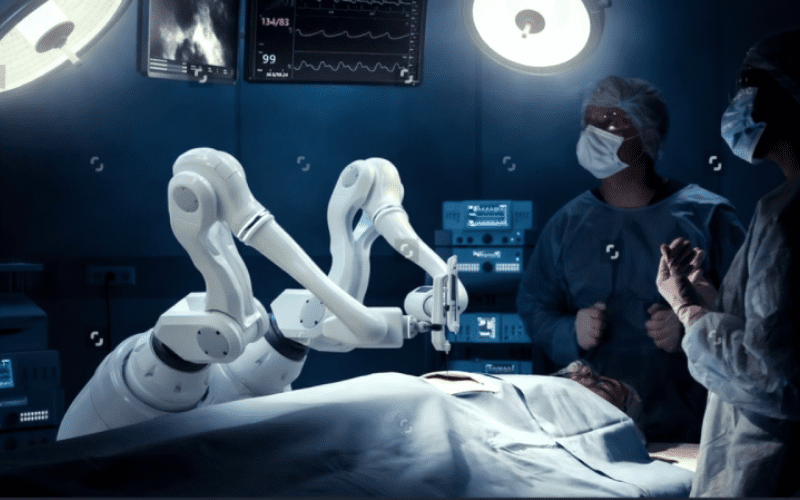
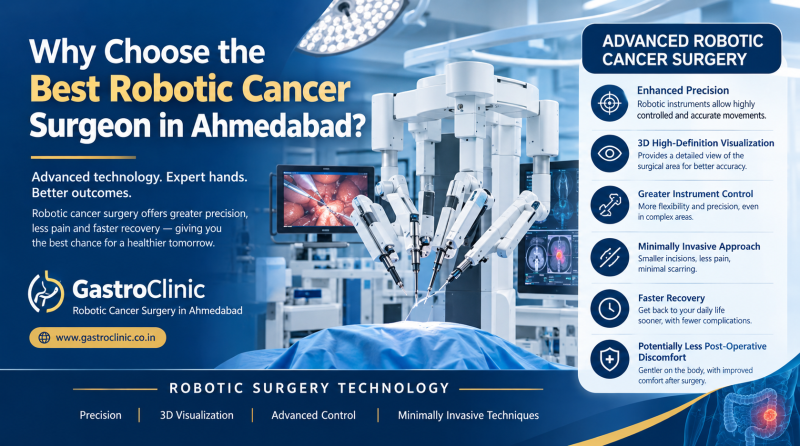
Dr. Mayank Gurjar, MBBS, MS, M.Ch (Surgical Gastroenterology), provides specialized care for a wide range of gastrointestinal and digestive conditions in Ahmedabad. His clinical practice includes the evaluation and treatment of digestive disorders as well as advanced laparoscopic and robotic gastrointestinal surgery when surgery is medically required.
What diseases does a gastroenterologist treat?
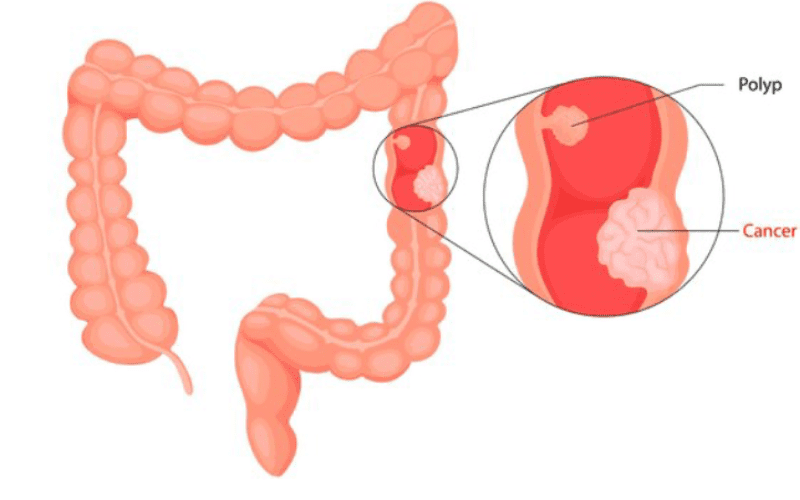
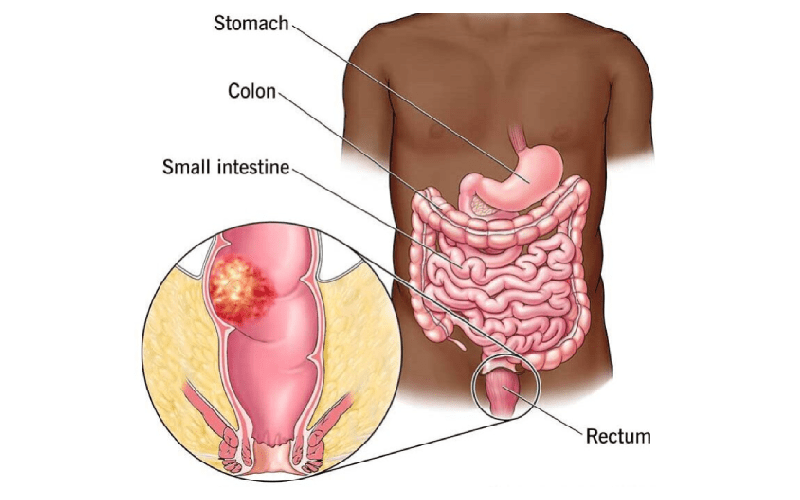
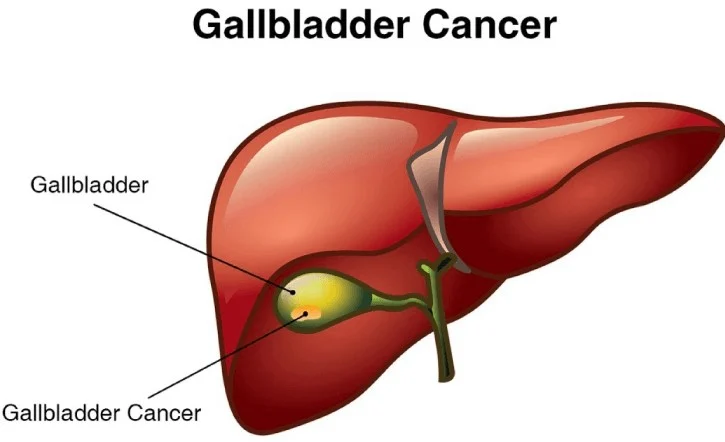
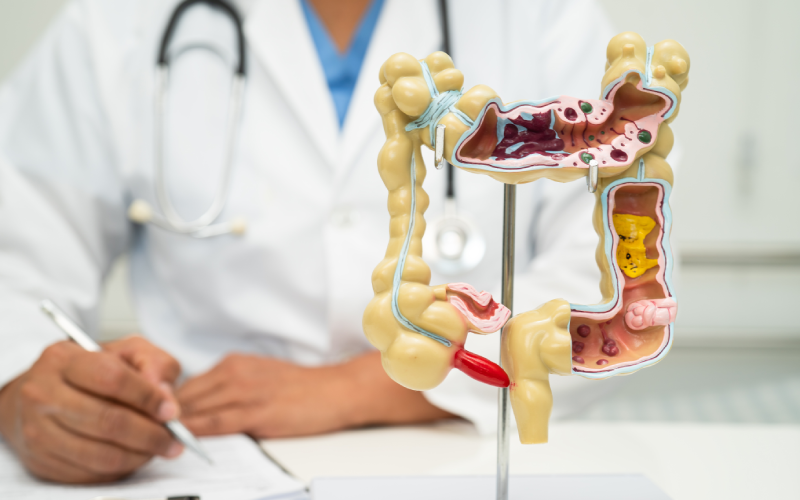
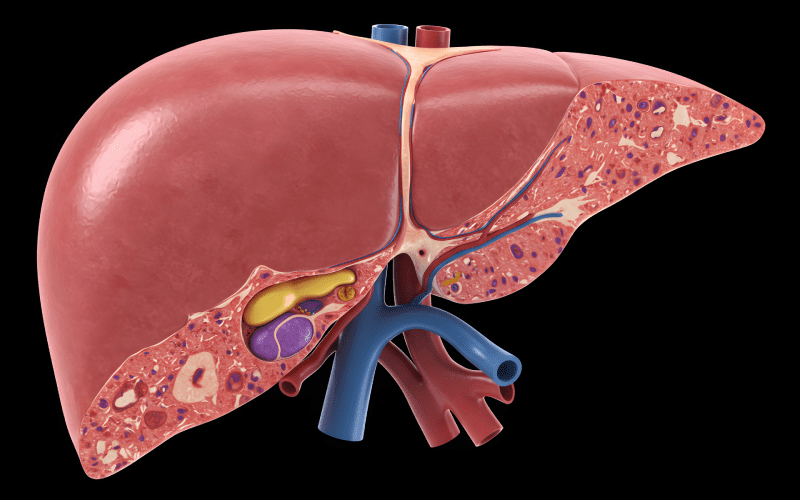
A gastroenterologist specializes in diagnosing and treating diseases and disorders of the digestive system. This includes the esophagus, stomach, small intestine, large intestine, rectum, liver, gallbladder and pancreas.
A gastroenterologist may evaluate symptoms and conditions such as persistent acidity and acid reflux, abdominal or stomach pain, bloating, constipation, diarrhea, difficulty swallowing, gastrointestinal infections, inflammatory bowel conditions, liver diseases, gallbladder stones and pancreatic disorders.
When should I consult a gastroenterologist?
You should consider consulting a gastroenterologist when digestive symptoms are persistent, recurrent, severe or unexplained, particularly when they do not improve with routine treatment.
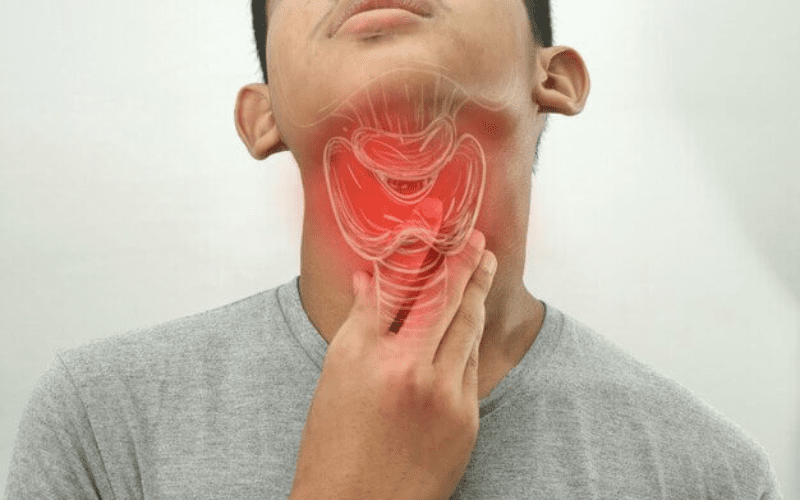
Common symptoms that may require evaluation include repeated stomach or abdominal pain, frequent acidity or heartburn, persistent bloating, difficulty swallowing, chronic constipation or diarrhea, nausea and vomiting, unexplained weight loss, or blood in the stool.
What is laparoscopic gastrointestinal surgery?
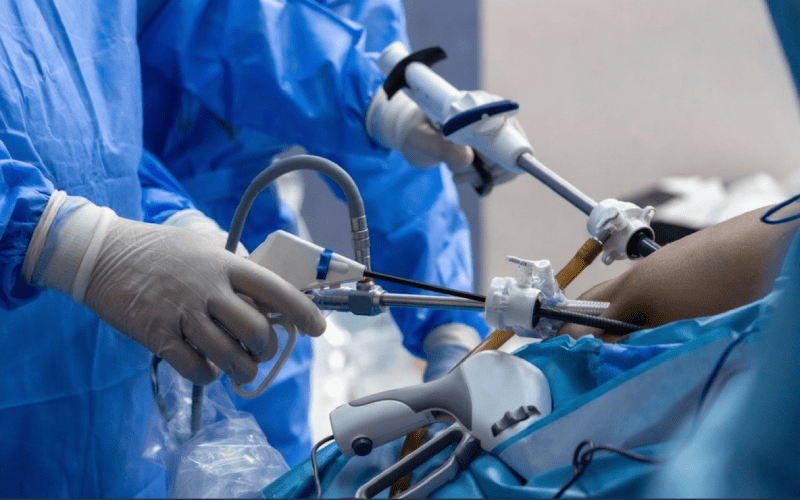
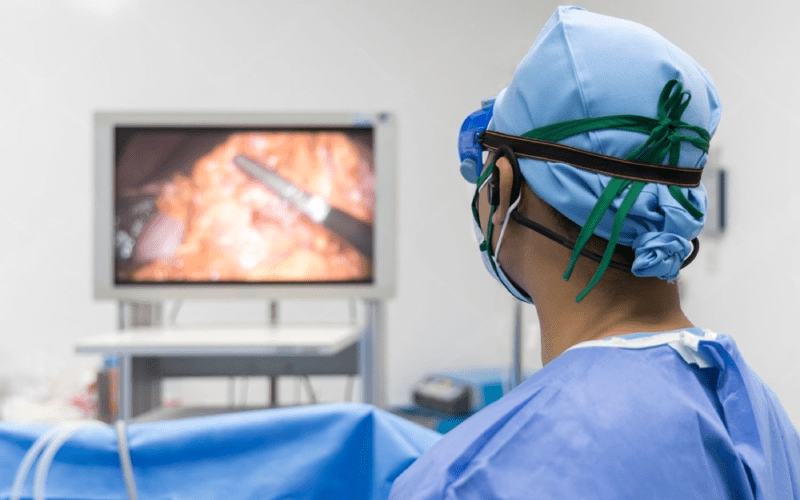
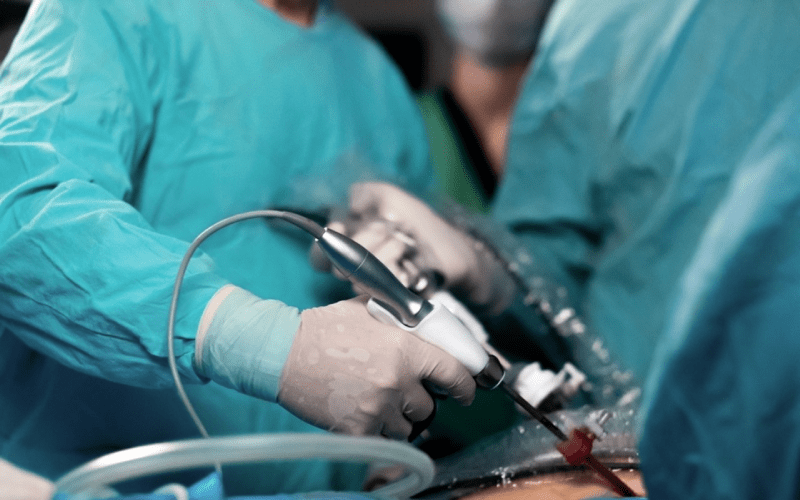
Laparoscopic gastrointestinal surgery is a minimally invasive surgical technique used to treat certain conditions affecting the digestive system. Instead of making one large incision, the surgeon generally performs the procedure through several small incisions using specialized surgical instruments and a camera called a laparoscope.
Is gastrointestinal surgery safe?
Gastrointestinal surgery has become significantly more advanced with improvements in surgical techniques, anesthesia, imaging, postoperative monitoring and minimally invasive procedures. Laparoscopic and robotic-assisted techniques may offer advantages for appropriately selected patients, including smaller incisions and potentially faster recovery compared with some traditional open procedures.