Why Choose the Best Robotic Cancer Surgeon in Ahmedabad?
Choosing the best robotic cancer surgeon in Ahmedabad is an important decision for patients who require surgical treatment for cancer. Cancer surgery requires careful diagnosis, detailed treatment planning, appropriate surgical expertise, and coordinated care. Robotic-assisted surgery is one of the advanced techniques that may be suitable for selected cancer operations.
Dr. Mayank Gurjar, a gastrointestinal, laparoscopic, and robotic surgeon associated with Gastro Clinic, Ahmedabad, provides surgical care for gastrointestinal conditions, including selected cancers affecting the digestive system. Patients can discuss their diagnosis, available surgical options, and the potential benefits and limitations of robotic-assisted procedures during a consultation.
What Is Robotic Cancer Surgery?
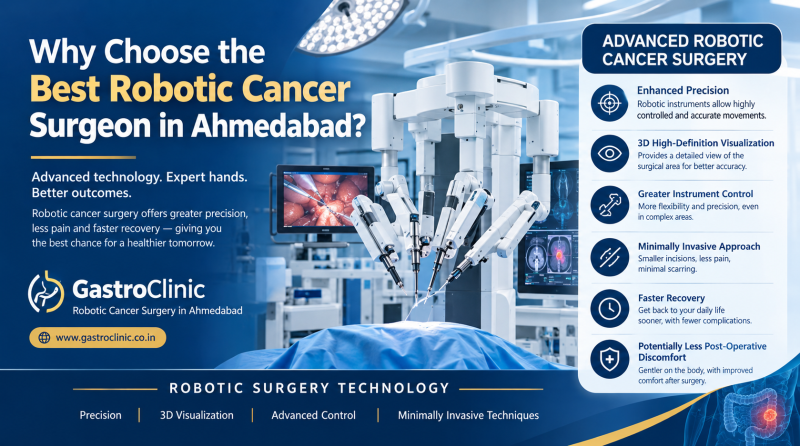
Robotic cancer surgery is a minimally invasive surgical approach in which a surgeon controls specialized instruments through a robotic surgical system. The system typically provides a magnified, three-dimensional view of the surgical area and allows precise movement of instruments.
The surgeon remains in control throughout the procedure. The robotic system assists with instrument movement but does not independently perform the operation.
Depending on the type and stage of cancer, robotic-assisted surgery may be considered for selected procedures involving the stomach, colon, rectum, and other abdominal organs.
The main objective is to remove the cancer safely while preserving healthy tissue and maintaining the patient’s quality of life whenever possible.
Reasons to Choose a Qualified Robotic Cancer Surgeon in Ahmedabad
Specialized Surgical Knowledge
Access to Advanced Surgical Technology
Potential Benefits of Minimally Invasive Surgery
Personalized Cancer Treatment Planning
Focus on Cancer Removal and Patient Safety
The primary goal of cancer surgery is to remove the tumor appropriately while following established oncological principles. This may include removing surrounding tissue or lymph nodes when medically indicated.
Robotic technology is a tool to assist the surgeon; it does not guarantee complete cancer removal or prevent cancer recurrence. The expected outcomes depend on several clinical factors.
Postoperative Care and Recovery Guidance
Recovery does not end when surgery is completed. Patients may need wound care, nutritional guidance, activity restrictions, follow-up visits, and additional cancer treatment.
Clear instructions and regular monitoring can help patients understand their recovery progress and identify potential complications promptly.
Which Cancers May Be Treated With Robotic Surgery?
Cancer of the colon or rectum may require removal of the affected bowel segment and, when indicated, nearby lymph nodes.
Surgery may involve removing part or all of the stomach, depending on the tumor's location and extent.
Selected patients may be considered for minimally invasive or robotic-assisted procedures involving the esophagus.
Some pancreatic operations may be performed using robotic assistance in appropriately selected patients and experienced centers.
Surgical approaches depend on tumor size, location, disease extent, and whether complete removal is feasible.
Why Consider Dr. Mayank Gurjar for Robotic Cancer Surgery in Ahmedabad?
When researching a robotic cancer surgeon in Ahmedabad, patients should evaluate the surgeon’s relevant qualifications, experience with the specific cancer operation, hospital facilities, and multidisciplinary support.
Dr. Mayank Gurjar is associated with Gastro Clinic, Ahmedabad, and focuses on gastrointestinal, laparoscopic, and robotic surgery.
Patients considering a consultation can discuss:
- The surgeon’s experience with their particular cancer and proposed operation.
- Whether robotic-assisted surgery is suitable for their diagnosis.
- The potential benefits, risks, and alternatives to robotic surgery.
- The expected recovery period and possible complications.
- Whether chemotherapy, radiation therapy, or other treatments are needed before or after surgery.
- The follow-up plan and long-term monitoring requirements.
These questions help patients assess whether the proposed treatment fits their medical needs. Patients should verify the surgeon’s specific qualifications and experience before making a treatment decision.
When Should You Consult a Robotic Cancer Surgeon?
Consider consulting a cancer surgery specialist if you have received a cancer diagnosis, have been advised to undergo gastrointestinal surgery, or need another opinion about available surgical approaches.
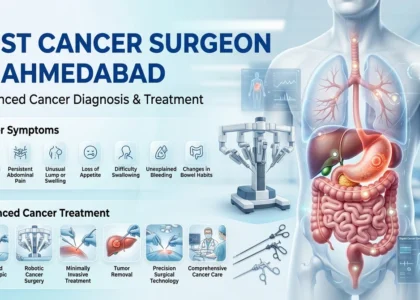
Symptoms such as unexplained weight loss, blood in the stool, persistent abdominal discomfort, difficulty swallowing, or changes in bowel habits may require medical evaluation. These symptoms do not necessarily indicate cancer, but persistent or concerning symptoms should not be ignored.
Seek prompt medical attention for severe symptoms or significant bleeding.
Frequently Asked Question
A robotic cancer surgeon is a surgeon trained to perform selected cancer operations using a robotic-assisted surgical system. The surgeon controls the instruments throughout the procedure.
Consider relevant qualifications, experience with your specific cancer operation, the hospital’s facilities, multidisciplinary cancer care, and the surgeon’s ability to explain treatment options, risks, and alternatives.
Potential benefits in selected procedures include a magnified surgical view, precise instrument movement, smaller incisions, and possibly less blood loss or a shorter recovery period. Actual outcomes vary by procedure and patient.
Not always. Robotic-assisted surgery may be beneficial for selected patients, while open surgery may be more suitable for others. The choice depends on cancer type, stage, tumor location, patient health, and the surgeon’s assessment.
No. Robotic technology does not guarantee complete tumor removal or prevent recurrence. Outcomes depend on cancer stage, tumor characteristics, surgical findings, and any additional treatment required.
Recovery varies according to the type of operation, the patient’s general health, and whether complications occur. Your surgeon can provide a more individualized estimate after reviewing your diagnosis and treatment plan.
Conclusion :
Choosing a qualified robotic cancer surgeon in Ahmedabad involves more than selecting advanced technology. Relevant surgical expertise, appropriate patient selection, cancer treatment planning, safety, and coordinated postoperative care are all important considerations.
Robotic-assisted surgery may offer benefits for selected gastrointestinal cancer operations, but it is not the best approach for every patient. Dr. Mayank Gurjar at Gastro Clinic, Ahmedabad, provides gastrointestinal, laparoscopic, and robotic surgical care. A consultation can help patients understand their diagnosis, available surgical techniques, potential risks, and expected recovery.
The right treatment plan should be based on the individual patient’s condition and established cancer treatment principles.