
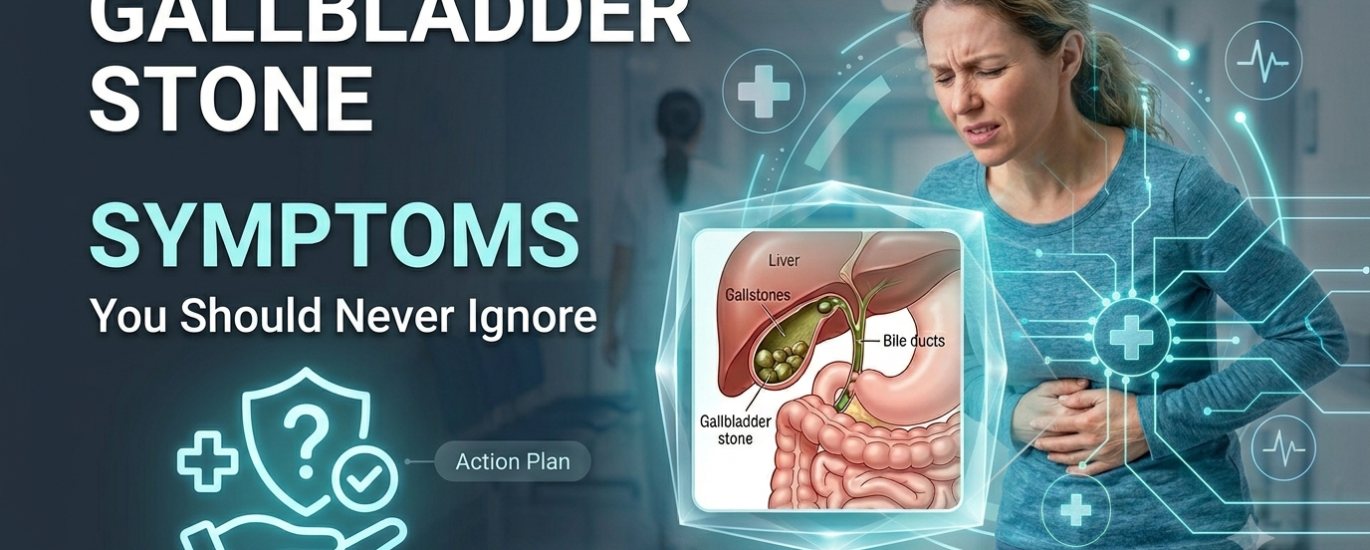
Gallbladder Stone Symptoms You Should Never Ignore
Gallbladder stones, commonly known as gallstones, are a frequent digestive condition affecting many adults. While some people may not experience symptoms initially, others can develop severe pain and complications that require immediate medical attention.
Recognizing the warning signs early can help prevent serious health problems and ensure timely treatment.What Are Gallbladder Stones?
Gallstones are hardened deposits of digestive fluid that form inside the gallbladder. They can range in size from tiny grains to larger stones and may block the normal flow of bile.
Some patients remain symptom-free for years, while others experience sudden and painful attacks.What Are Gallbladder Stones?
One of the most common symptoms is a sharp or cramping pain in the upper right side of the abdomen.
The pain may:
- Appear suddenly
- Last from a few minutes to several hours
- Become worse after eating fatty meals
Gallbladder attacks often occur after consuming:
- Fried foods
- Oily foods
- Heavy meals
- High-fat diets
The gallbladder contracts during digestion, which can trigger pain when stones are present.
Many patients experience:
- Persistent nausea
- Vomiting after meals
- Digestive discomfort
These symptoms may become more frequent as the condition progresses.
Gallstones can affect digestion and cause:
- Abdominal bloating
- Excess gas
- Indigestion
- Feeling unusually full after meals
Pain may spread to:
- The back
- Right shoulder
- Area between the shoulder blades
This is a common symptom that many patients do not initially associate with gallbladder disease.
Some patients experience recurring episodes of:
- Severe abdominal pain
- Nausea
- Digestive discomfort
Repeated attacks often indicate that medical evaluation is necessary.
Warning Signs That Require Immediate Medical Attention
Seek urgent medical care if you experience:
- Severe abdominal pain lasting several hours
- High fever
- Chills
- Yellowing of the skin or eyes (jaundice)
- Persistent vomiting
- Dark urine
Who Is at Risk of Developing Gallstones?
-
Obesity
-
Diabetes
-
High-fat diet
-
Family history
-
Female gender
-
Age above 40
-
Rapid weight loss
Can Gallstones Go Away Without Treatment?
Once symptomatic gallstones develop, they generally do not disappear on their own.
Ignoring symptoms may lead to:
- Gallbladder inflammation
- Infection
- Bile duct blockage
- Emergency surgery
ou should consult a doctor if:
- Pain occurs repeatedly
- Symptoms affect daily activities
- Digestive discomfort continues
- Gallbladder attacks become frequent
Timely diagnosis can help avoid complications and improve treatment outcomes.
Modern laparoscopic gallbladder surgery is a safe and effective treatment option for symptomatic gallstones. It offers:
- Smaller incisions
- Faster recovery
- Less pain
- Minimal scarring
- Short hospital stay
Patients seeking expert care can consult an experienced GI and laparoscopic surgeon for personalized treatment.
Frequently Asked Questions
Pain in the upper right abdomen is often the first noticeable symptom.
Yes. Pain may spread to the back or right shoulder.
No. Some people may have gallstones without symptoms.
Diet changes may help reduce symptoms but usually do not eliminate existing stones.
Symptomatic gallstones often require surgical treatment for permanent relief.
Conclusion
Gallbladder stone symptoms should never be ignored. Early diagnosis and treatment can prevent complications and help patients return to a healthy, comfortable life.
If you experience recurring abdominal pain, nausea, or digestive discomfort, consult a qualified specialist for evaluation and treatment.

