
Best Gastroenterologist...
Read MoreEsophageal Cancer Treatment Ahmedabad by Dr. Mayank Gurjar
Stomach cancer treatment in Ahmedabad focuses on accurate diagnosis, advanced medical care, and patient-centered surgical and non-surgical options to ensure the best recovery outcomes. Early detection improves treatment success and helps prevent complications.
Weight Lose
Pain
Nausea
Swallowing
What is Stomach Cancer ?
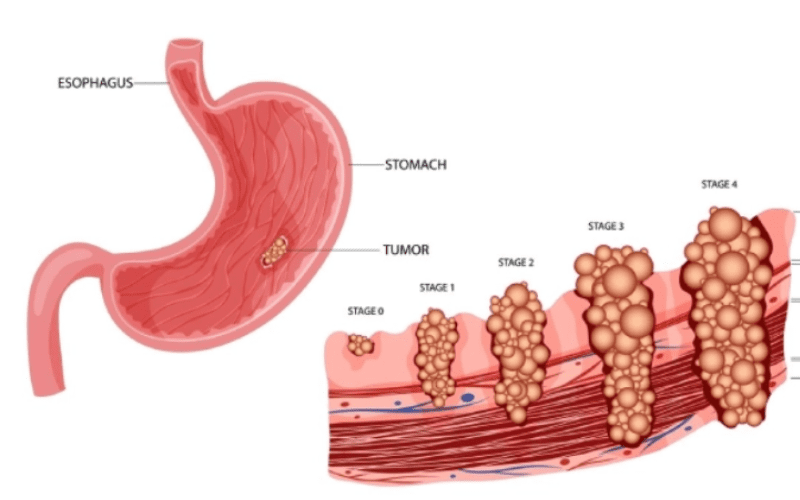
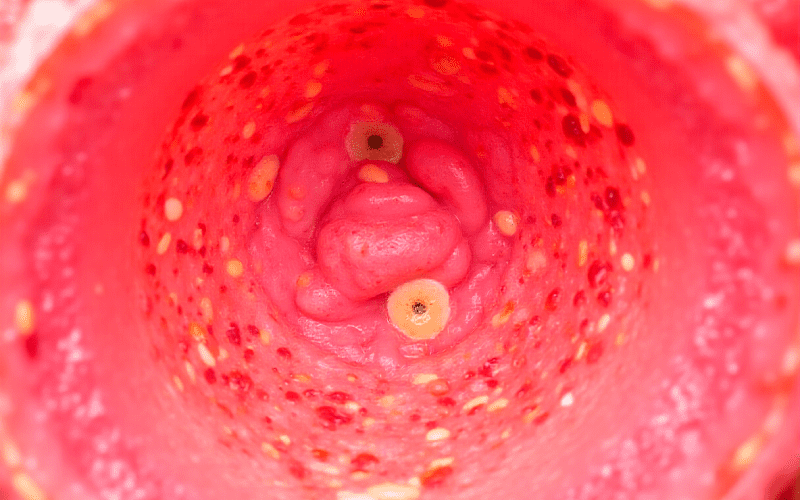
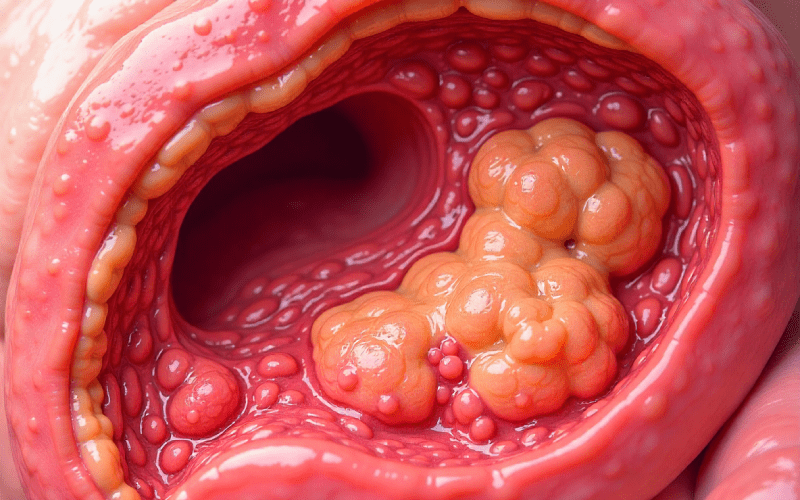
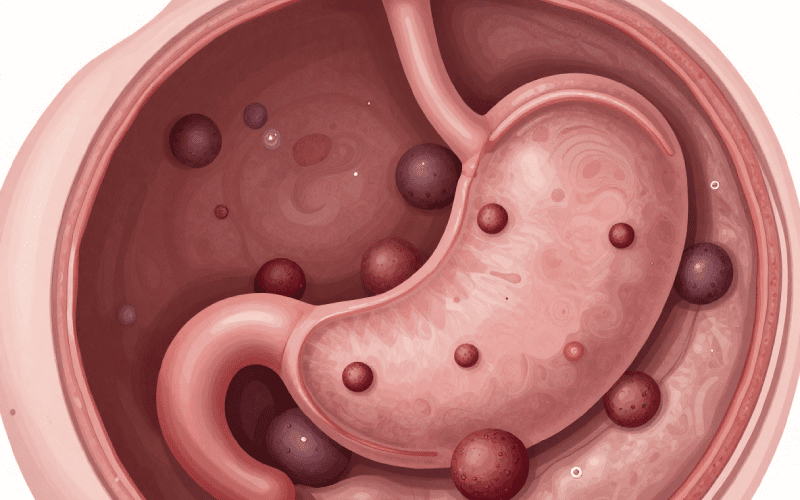
Stomach cancer, also known as gastric cancer, develops in the lining of the stomach. It progresses gradually and often shows symptoms such as abdominal discomfort, difficulty swallowing, nausea, unintentional weight loss, and digestive issues. If you notice persistent symptoms, immediate evaluation is recommended.
Symptoms and Diagnosis
Weight Lose
Pain
Nausea
Swallowing
Symptoms of stomach cancer may include persistent abdominal pain, nausea, vomiting, loss of appetite, unexplained weight loss, and difficulties swallowing. These symptoms can be easily mistaken for other less serious conditions, which is why early detection is challenging. Diagnostic procedures include upper endoscopy to view and biopsy the stomach lining, as well as imaging tests such as CT scans, MRIs, and ultrasounds to determine the cancer’s extent and spread.


Treatment Options for Stomach Cancer
Treatment for pancreatic cancer depends on the stage and location of the tumor. Options include surgery, chemotherapy, radiation therapy, and targeted therapies. Surgical procedures aim to remove the cancerous tissue, while chemotherapy and radiation can help shrink tumors and kill cancer cells. Targeted therapies are designed to attack specific cancer cells, minimizing damage to surrounding healthy tissue.
Surgical Treatment :
- Partial or Total Gastrectomy: Removing part or all of the stomach to remove the tumor.
- Lymph Node Removal: To check for spread and improve prognosis.
Chemotherapy & Targeted Therapy
- Systemic chemotherapy to kill cancer cells.
- Targeted therapies based on molecular markers of the tumor.
Radiation Therapy
Used in certain cases in combination with surgery or chemotherapy to reduce recurrence risk.
Palliative or Advanced Care
For advanced cancer or when a cure is not possible, palliative treatment focuses on symptom relief, quality of life, and supportive care.
Surgical Treatment

Radiation

Chemotherapy

Targeted Theraphy

Support & Advance
Support from healthcare providers, support groups, and cancer research organizations is crucial for those affected by stomach cancer. Engaging with these resources can provide valuable information and emotional support. Ongoing research is essential for developing more effective treatments and improving survival rates. Staying informed about new advancements and participating in support networks can greatly enhance the quality of care and patient experience.
Frequently Asked Question
Why choose Dr. Mayank Gurjar for stomach cancer care in Ahmedabad?
Dr. Mayank Gurjar is experienced in diagnosing and treating stomach cancer with a multidisciplinary approach that includes careful staging, personalized treatment planning, and advanced surgical techniques. His focus on evidence-based care, patient communication, and coordinated follow-up helps people make informed decisions about their treatment options in Ahmedabad.
What is stomach cancer?
Stomach cancer, also called gastric cancer, occurs when abnormal cells form in the stomach lining. Over time, these cells can grow and spread to nearby tissues. Early detection through screening or evaluation of symptoms improves the understanding and management of the condition.
What are common symptoms of stomach cancer?
Symptoms may include persistent stomach pain, unexplained weight loss, nausea, loss of appetite, difficulty swallowing, bloating after meals, and blood in vomit or stool. Symptoms can be subtle initially and should be evaluated by a medical professional.
How is stomach cancer diagnosed?
Diagnosis typically involves an upper gastrointestinal endoscopy with biopsy to confirm abnormal cells. Additional tests such as CT scans, endoscopic ultrasound, and blood work help determine the extent and stage of the disease before planning treatment.
What risk factors are associated with stomach cancer?
Risk factors can include Helicobacter pylori infection, long-term gastritis, smoking, high salt intake, certain dietary patterns, family history, and age over 50. Reducing risk factors and regular medical evaluations may help with early detection.
Why is specialist care important for stomach cancer?
Specialist care from a gastrointestinal oncologist or surgeon ensures thorough staging, evidence-based treatment planning, and coordinated care. Specialists integrate surgery, chemotherapy, and other therapies according to established medical guidelines, improving the personalization of care.
Cancer
Surgery
Recent Blogs

Services
Contact
- Zydus Hospital (B-16, 2nd floor), SG Highway, Sola , Ahmedabad, Gujarat 380059
- +91 92270 90050
- dr.mayankgurjar@gmail.com
Request a call
[forminator_form id="3660"]
Copyright © 2025 · Dr. Mayank Gurjar. All Rights Reserved.
Design & Devloped by Dcodes Technologies.

MBBS, MS, M.Ch (Surgical Gastroenterology)
Dr. Mayank Gurjar : GastroClinic – Advanced Gastro & Liver Care in Ahmedabad
Services
Contact Info
Zydus Hospital (B-16, 2nd floor), SG Highway, Sola , Ahmedabad, Gujarat 380059
Visit At Our Hospital
Copyright © 2025 Dr. Mayank Gurjar. All Rights Reserved.