Expert Pancreatic...
Read MoreRectal Cancer Treatment in Ahmedabad – Expert Care by Dr. Mayank Gurjar
At Gastro Clinic Ahmedabad, Dr. Mayank Gurjar offers advanced and compassionate rectal cancer treatment in Ahmedabad, tailored to each patient’s specific stage and needs. With a multidisciplinary team, we ensure accurate diagnosis, effective therapy, and long-term follow-up.
-
Rectal Bleeding
-
Abdominal pain
What Is Rectal Cancer?
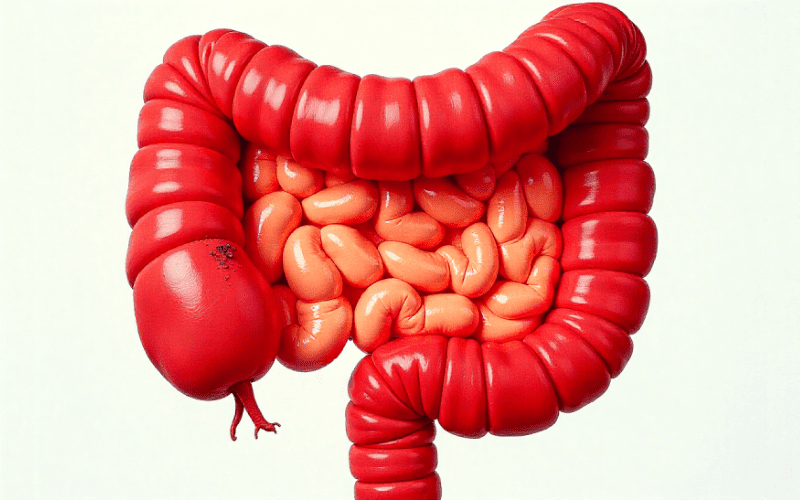
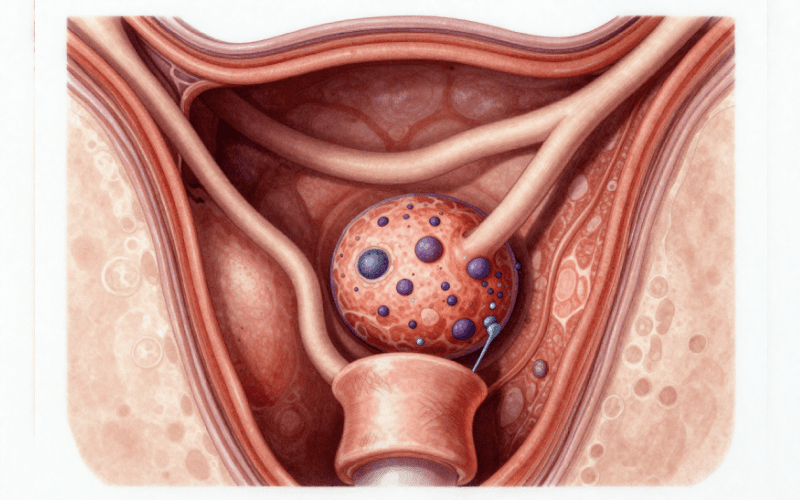
Rectal cancer is a type of colorectal cancer that specifically affects the rectum, the lower part of the large intestine just before the anus. It begins when abnormal cells grow uncontrollably in the rectum, forming a tumor. Rectal cancer can spread to nearby tissues and other parts of the body if not detected and treated early. Understanding rectal cancer is key to improving diagnosis, treatment, and outcomes.
Rectal cancer is a cancerous growth in the lining of the rectum, the lower portion of the large intestine. Unlike colon cancer, rectal cancer presents unique surgical challenges because of the rectum’s tight anatomical position.
Symptoms and Diagnosis
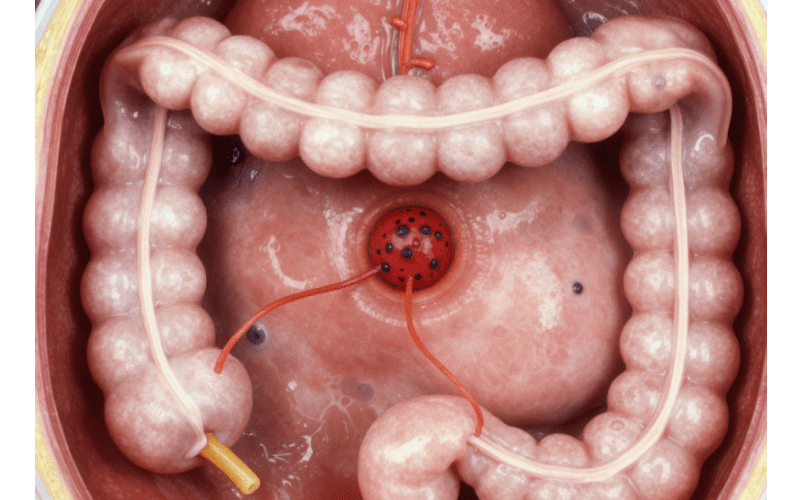
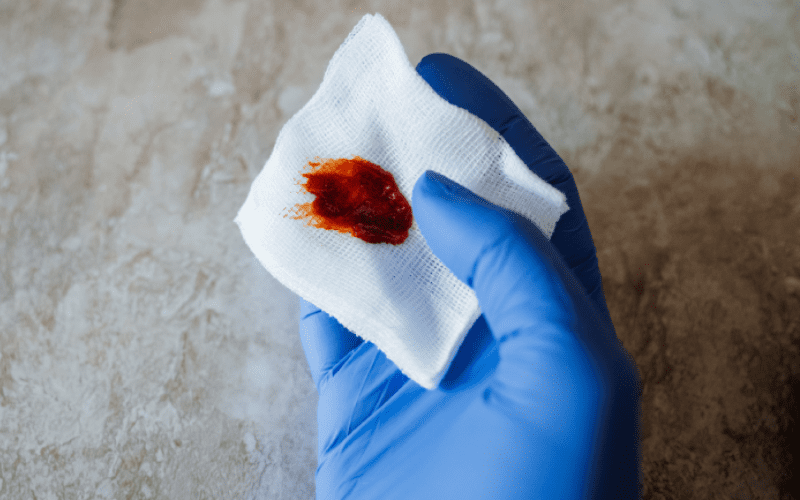
Rectal cancer symptoms may include rectal bleeding, persistent abdominal pain, changes in bowel habits, and the sensation of incomplete bowel movements. Early symptoms might be subtle, so regular screening is crucial for early detection. Diagnostic tests typically include colonoscopy, which allows for direct visualization of the rectum and biopsy of suspicious areas, as well as imaging tests like CT scans or MRIs to assess the extent of cancer spread. A PET Scan may be required to assess the extent of cancer spread.

Treatment Options
Our treatment plans depend on the cancer stage and overall health:
Surgery:
Surgical removal is often the cornerstone of therapy. Options include:
Local excision for small tumors
Low anterior resection (LAR) to remove part of the rectum and reattach the colon
Abdominoperineal resection (APR) when tumors are very low and sphincter preservation isn’t possible
Chemotherapy & Radiation :
Preoperative (neoadjuvant) chemoradiation helps shrink the tumor and increase the chances of successful surgery.
Post-surgical (adjuvant) chemo may also be recommended to reduce recurrence.
Radiation therapy is applied using precise external beam radiation.
Targeted Therapy & Immunotherapy :
For advanced or recurrent cases, we may use targeted drugs or immunotherapy based on tumor genetics and patient suitability.
Palliative and Advanced Treatments :
When cure is not possible:
Symptom relief via chemo or radiation
Surgical or stenting procedures to manage bleeding or obstruction
Surgery

Radiation Theraphy
Chemotherapy

Targeted Theraphy

Support and Research
Support from healthcare providers, family, and support groups plays a crucial role in managing rectal cancer. Staying informed about new treatments and ongoing research can provide hope and improve treatment options. Engaging with cancer research organizations and support networks helps patients and their families navigate the challenges of rectal cancer, offering both emotional support and practical guidance.
Frequently Asked Question
Why choose Dr. Mayank Gurjar for rectal cancer treatment in Ahmedabad?
Dr. Mayank Gurjar specializes in gastrointestinal oncology and colorectal surgery, offering evidence-based diagnosis, personalized treatment planning, and advanced surgical care including minimally invasive techniques.
What is rectal cancer?
Rectal cancer develops in the rectum, the final portion of the large intestine before the anus. It usually begins as a benign polyp and may gradually become cancerous. Early detection through screening plays an important role in improving treatment outcomes.
What are the common symptoms of rectal cancer?
Symptoms may include rectal bleeding, blood in stool, changes in bowel habits, abdominal discomfort, fatigue, or unexplained weight loss. Some patients may feel incomplete bowel emptying. Persistent or worsening symptoms should be evaluated by a medical professional.
How is rectal cancer diagnosed?
Rectal cancer is commonly diagnosed using colonoscopy with biopsy. Additional tests such as MRI, CT scan, endorectal ultrasound, and blood investigations help determine the extent and stage of the disease for appropriate treatment planning.
What treatment options are available for rectal cancer?
Treatment depends on the stage and location of the cancer. Options may include surgery, chemotherapy, radiation therapy, or a combination of these. A multidisciplinary medical team usually plans treatment based on individual patient factors and disease characteristics.
What is the difference between colon cancer and rectal cancer?
Colon cancer occurs in the large intestine, while rectal cancer develops in the rectum near the anus. Although both are types of colorectal cancer, their treatment approaches may differ due to anatomical and functional differences.
Why consult a specialist for rectal cancer care?
A specialist experienced in gastrointestinal and colorectal conditions can provide accurate diagnosis, appropriate staging, and individualized treatment planning. Specialist care helps ensure that management follows established medical guidelines and best clinical practices.
Cancer
Surgery
Recent Blogs



MBBS, MS, M.Ch (Surgical Gastroenterology)
Dr. Mayank Gurjar : GastroClinic – Advanced Gastro & Liver Care in Ahmedabad
Services
Contact Info
Zydus Hospital (B-16, 2nd floor), SG Highway, Sola , Ahmedabad, Gujarat 380059
Visit At Our Hospital
Copyright © 2025 Dr. Mayank Gurjar. All Rights Reserved.